Phone: +86 13570669003
  Email: sales@bocon-tec.com


The Economics of Generator Rental vs. Purchase for Short-Term Projects
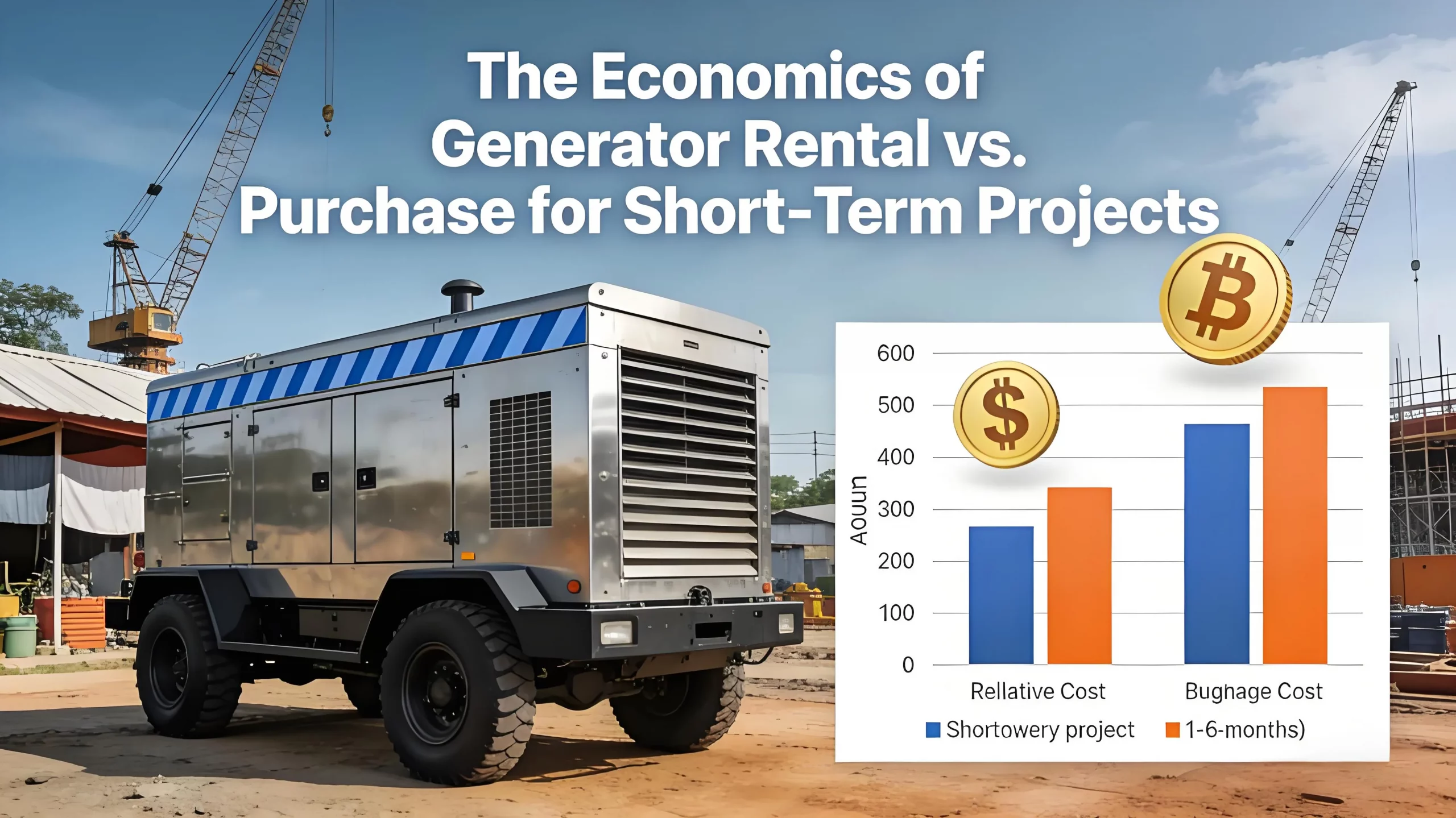
Making the Financially Savvy Power Decision
Construction projects, film shoots, seasonal festivals, or temporary industrial operations all need reliable power—but not necessarily forever. The dilemma: should you rent or buy a generator? This analysis breaks down the Economics & Value of both options to guide your decision for short-term needs.
Option 1: Renting a Generator
Pros:
- Minimal Upfront Capital (Capex): Preserves cash flow for other project expenses. You pay a predictable weekly or monthly fee.
- Full Service & Maintenance: The rental company handles all servicing, repairs, and breakdowns, reducing your management burden.
- Flexibility: Easily scale power up or down by swapping units. Perfect for projects with phases of different power demands.
- No Long-Term Commitment: At the project's end, you simply return the unit with no asset disposal concerns.
Cons:
- Higher Long-Term Cost for Extended Use: If the project runs longer than planned, cumulative rental fees can exceed the purchase price.
- Less Control: You rely on the rental company's equipment availability and service responsiveness.
Best For: Projects under 6-12 months, events, emergency backup during peak seasons, or when testing power requirements before a purchase.
Option 2: Purchasing a Generator
Pros:
- Asset Ownership: The generator becomes a company asset that can be used, resold, or redeployed on future projects.
- Lower Total Cost for Long-Term Use: For projects or needs exceeding 1-2 years, owning is almost always more economical.
- Full Control: You decide on maintenance schedules and have immediate availability for your own needs.
Cons:
- High Initial Investment: Requires significant capital upfront.
- Maintenance Responsibility & Cost: You bear the cost and logistics of routine servicing, repairs, and eventual overhaul.
- Depreciation and Resale: The asset loses value, and you must manage its eventual resale or disposal.
Best For: Long-term projects (>2 years), permanent facilities, core businesses requiring constant backup power, or companies with a pipeline of projects needing power.
The Decision Matrix: Create a simple spreadsheet. Compare the total rental cost (monthly rate x project duration) against the purchase price plus estimated 2-year maintenance. The cheaper option is often clear. For flexibility with quality open frame or silent units, many suppliers offer both rental and purchase plans.