Phone: +86 13570669003
  Email: sales@bocon-tec.com


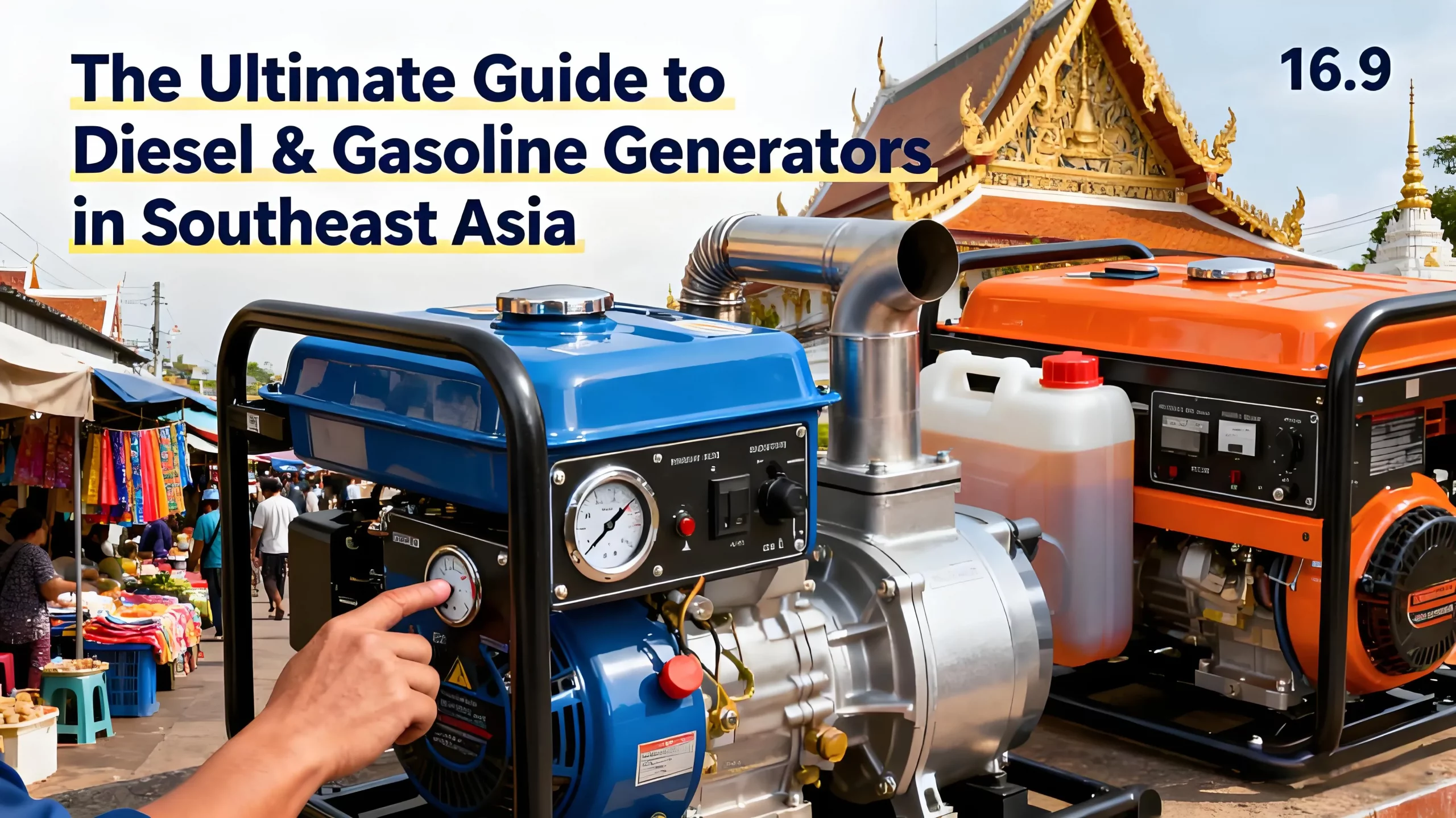
The Ultimate Guide to Diesel & Gasoline Generators in Southeast Asia
Introduction: Powering Growth in a Dynamic Region
Southeast Asia is a region of rapid economic growth, industrialization, and digital transformation. However, this growth often outpaces the reliability of national power grids. Frequent outages, voltage fluctuations, and the lack of grid access in remote areas make diesel and gasoline generators not just a backup but a critical component for business continuity and daily life. This guide provides a comprehensive, up-to-date analysis of the generator market in Southeast Asia as of 2025, helping you make an informed decision.
Market Overview: Key Drivers in Southeast Asia
The demand for generators in countries like Vietnam, Indonesia, Thailand, the Philippines, and Malaysia remains strong, driven by:
- Infrastructure Development: Ongoing construction projects require reliable, off-grid power.
- Manufacturing & Industrial Boom: Factories cannot afford downtime due to power cuts.
- Digital Economy: Data centers, telecom towers, and e-commerce hubs need uninterrupted power.
- Natural Disasters: The region is prone to typhoons and floods, making backup power essential for emergency services and households.
- Tourism Sector: Hotels and resorts in remote islands depend on generators for 24/7 operations.
Diesel vs. Gasoline Generators: The 2025 Perspective
Choosing between diesel and gasoline involves weighing cost, application, and durability. Here's a detailed comparison for the Southeast Asian context.
| Feature | Diesel Generators | Gasoline Generators |
|---|---|---|
| Fuel Efficiency & Running Cost | Highly efficient for continuous, long-term use. Lower fuel cost per kWh in the long run. | Less fuel-efficient. Better for short, intermittent use. Higher running cost. |
| Durability & Lifespan | Robust engines built for heavy-duty operations. Longer lifespan (15,000-30,000 hours). | Lighter construction. Shorter lifespan (1,000-2,000 hours). Ideal for light to medium duty. |
| Initial Investment | Higher purchase price. | More affordable upfront cost. |
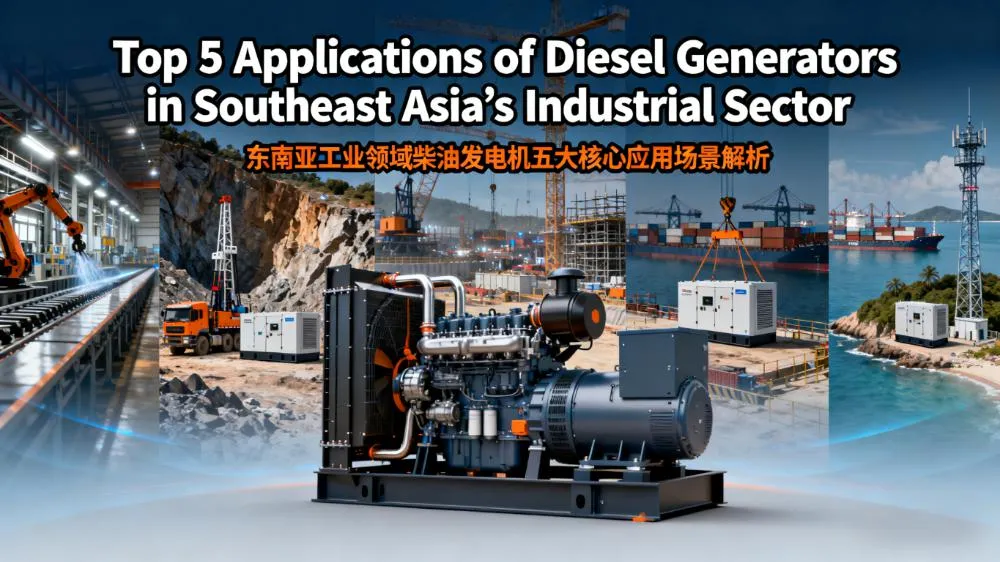
| Typical Applications in SEA | Factories, hospitals, data centers, large construction sites, mining, prime power for islands. | Small retail shops, residential backup, outdoor events, food stalls, small workshops. |
| Maintenance | Requires skilled technicians but less frequent maintenance intervals. | Easier to maintain but requires more frequent servicing. |
Key Considerations for the Southeast Asian Market
When purchasing a generator in this region, local conditions are paramount.
1. Climate and Environment
High humidity, salt-laden air (in coastal areas), and high ambient temperatures can reduce generator efficiency and lifespan. Look for models with corrosion-resistant coatings and enhanced cooling systems. An enclosed canopy is often a wise investment.
2. Fuel Quality and Availability
Fuel quality can vary significantly. Diesel generators are generally more tolerant of lower-quality fuel, but using a good fuel filtration system is non-negotiable. Ensure your supplier has a reliable fuel delivery chain, especially in remote locations.
3. Regulatory and Noise Pollution Laws
Major cities like Bangkok, Jakarta, and Manila are implementing stricter noise and emission regulations (influenced by Euro IV/V standards). Ensure your generator complies with local laws to avoid fines. Silent-type generators are increasingly popular for urban and semi-urban applications.
4. After-Sales Service and Parts Availability
This is critical. Choose a brand with a strong network of authorized dealers and readily available spare parts. Downtime waiting for a technician or a simple part can be incredibly costly.
The Rise of "Smart" and Hybrid Systems
The market is evolving beyond traditional generators. As of 2025, we see a growing trend towards:
- IoT-Enabled Generators: Remote monitoring via smartphone apps allows users to track fuel levels, performance, and receive maintenance alerts.
- Hybrid Solar-Generator Systems: To reduce fuel costs and emissions, many businesses and resorts are integrating solar panels with diesel generators, creating a more sustainable and cost-effective power solution.
- Automatic Transfer Switches (ATS): Becoming standard for critical applications, ensuring seamless power transition during a grid failure without manual intervention.
Conclusion: Making the Right Power Investment
In the dynamic landscape of Southeast Asia, a generator is a vital insurance policy against power instability. Your choice between diesel and gasoline should be a direct reflection of your power needs, operational duration, and total budget. For heavy industry and continuous power, diesel generators remain the undisputed champion. For lighter, intermittent use, gasoline generators offer a cost-effective solution.
Always prioritize a reputable supplier, consider local environmental factors, and plan for robust maintenance. By doing so, you ensure that your operations in Southeast Asia remain powered, productive, and profitable through 2025 and beyond.