Phone: +86 13570669003
  Email: sales@bocon-tec.com


Hydrogen-Ready Generators: Are They the Future of Clean Backup Power in Southeast Asia?
Beyond Diesel and Gas: The Next Frontier in Power Generation
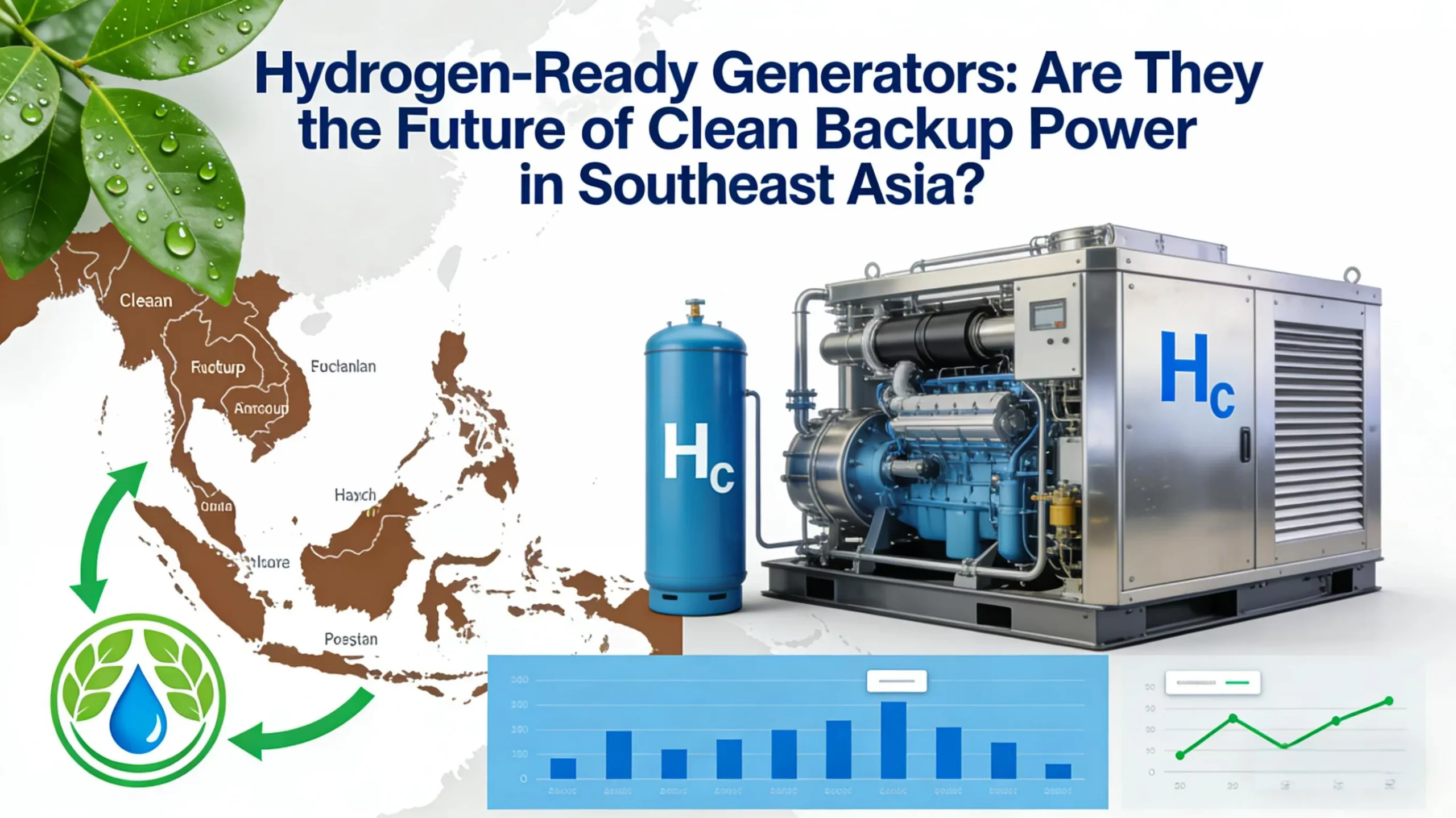
As global pressure for decarbonization intensifies, the generator industry is innovating beyond traditional fuels. Hydrogen-ready and hydrogen-fueled generators are emerging as a potential long-term solution for clean, dispatchable power. While still in early stages for Southeast Asia, understanding this technology is crucial for future-proofing investments. This Technology & Operation article explores the promise and the practicalities.
What is a Hydrogen-Ready Generator?
It refers to an internal combustion engine generator (often based on a modified natural gas engine) that is designed or retrofitted to run on a blend of natural gas and hydrogen, or eventually, on 100% green hydrogen. The key promise is zero carbon emissions at the point of use, as burning hydrogen produces only water vapor.
Potential Benefits for the Southeast Asian Market
- Deep Decarbonization: For industries with strict sustainability targets (e.g., tech giants building green data centers), hydrogen offers a path to reliable, zero-emission backup power.
- Energy Security Diversification: Hydrogen can be produced from various sources, including renewable energy (green hydrogen), reducing reliance on imported fossil fuels.
- Future Compliance: As regional emission regulations tighten, hydrogen technology positions businesses ahead of the curve.
- Utilization of Existing Infrastructure: "Hydrogen-ready" engines can often run on natural gas today, providing a transitional path as the hydrogen supply chain develops.
Current Challenges and Realities
Widespread adoption faces significant hurdles:
- Hydrogen Production and Cost: Truly "green" hydrogen from renewable electrolysis is currently expensive and energy-intensive. The production and distribution infrastructure in SEA is nascent.
- Engine Technology and Durability: Running engines on 100% hydrogen presents technical challenges related to combustion characteristics, NOx emissions, and material compatibility.
- Storage and Safety: Hydrogen has low energy density by volume and requires high-pressure or cryogenic storage, posing new safety and logistical considerations compared to diesel tanks.
The Bottom Line for Today: While not a viable mainstream option in 2025, hydrogen-ready generators represent a critical area of R&D. For businesses making long-term infrastructure plans (e.g., for a new industrial park or data center campus), inquiring about a supplier's roadmap for hydrogen and other alternative fuels is a forward-thinking move. The transition will be gradual, starting with blended fuels, but the direction towards low-carbon alternatives is clear.