 โทรศัพท์: +86 13570669003
  อีเมล: sales@bocon-tec.com


Generator Safety Protocols: Essential Practices for Operators in Industrial Settings
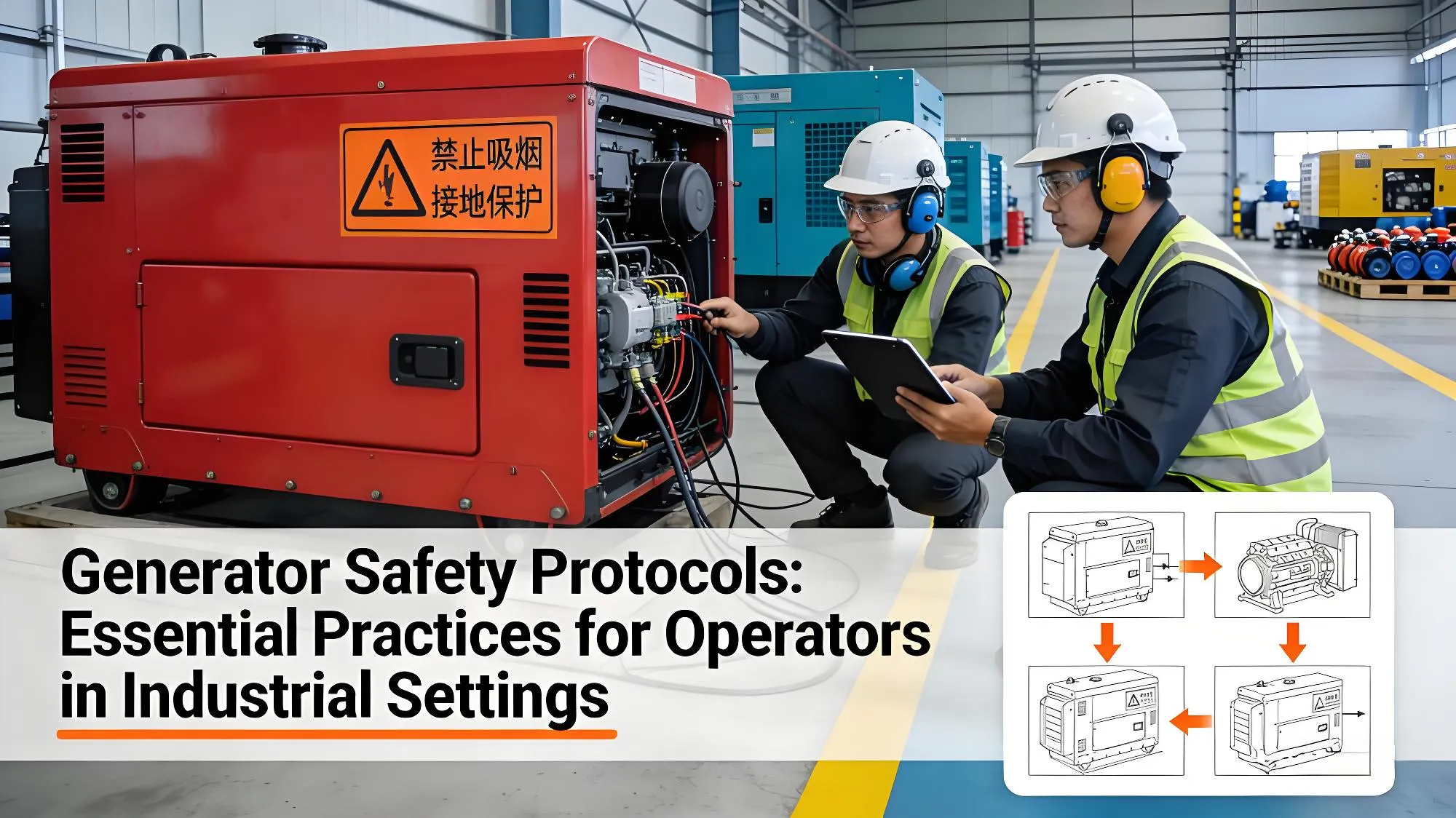
Prioritizing People and Property in Power Generation
ชุดเครื่องปั่นไฟดีเซล are powerful machines that combine combustible fuel, high-temperature components, high-voltage electricity, and moving parts. In an industrial setting, ignoring safety can lead to catastrophic accidents. Adhering to strict operational protocols is a non-negotiable part of responsible Technology & Operation.
1. Pre-Startup Safety Checks
- Area Inspection: Ensure the generator area is clean, dry, and free of flammable materials, debris, and standing water.
- Fluid Levels: Check engine oil, coolant, and fuel. Look for any leaks.
- Ventilation: Confirm that ventilation is adequate, especially for indoor or enclosed installations, to prevent deadly carbon monoxide (CO) buildup.
- Electrical Connections: Verify all connections are tight and cables are in good condition, with no exposed wires.
2. Operational Safety
- Personal Protective Equipment (PPE): Operators must wear appropriate PPE: safety glasses, hearing protection, gloves, and steel-toe boots.
- No Loose Clothing: Ensure no loose clothing, jewelry, or long hair is near moving parts like the fan and flywheel.
- Carbon Monoxide Awareness: NEVER operate a generator in an enclosed or partially enclosed space. CO is odorless and deadly.
- Fuel Safety: Never refuel a hot or running generator. Allow it to cool to prevent ignition of fuel vapors.
3. Maintenance & Lockout/Tagout (LOTO)
This is the most critical protocol for preventing electrocution and injury during servicing.
- Shut Down: Turn the generator control switch to "OFF."
- Disconnect: Open the main circuit breaker to isolate the generator from the load.
- Lockout/Tagout: Place a personal padlock (LOCKOUT) on the breaker/disconnect switch and attach a tag (TAGOUT) with your name, date, and reason. This ensures no one can accidentally energize the equipment while you work on it.
- Verify De-energization: Use a properly rated voltage tester to confirm the system is dead before touching any internal components.
4. Emergency Procedures
All operators must know:
- The location and use of fire extinguishers (Class B for fuel/electrical fires).
- Emergency shutdown procedures.
- First aid and emergency contact protocols.
Safety is not a one-time checklist but a culture. Regular training and strict adherence to these protocols protect your most valuable assets: your people.